
When minutes matter: How legal can quickly surface liability and notification obligations during a data breach
 Sarah Webb
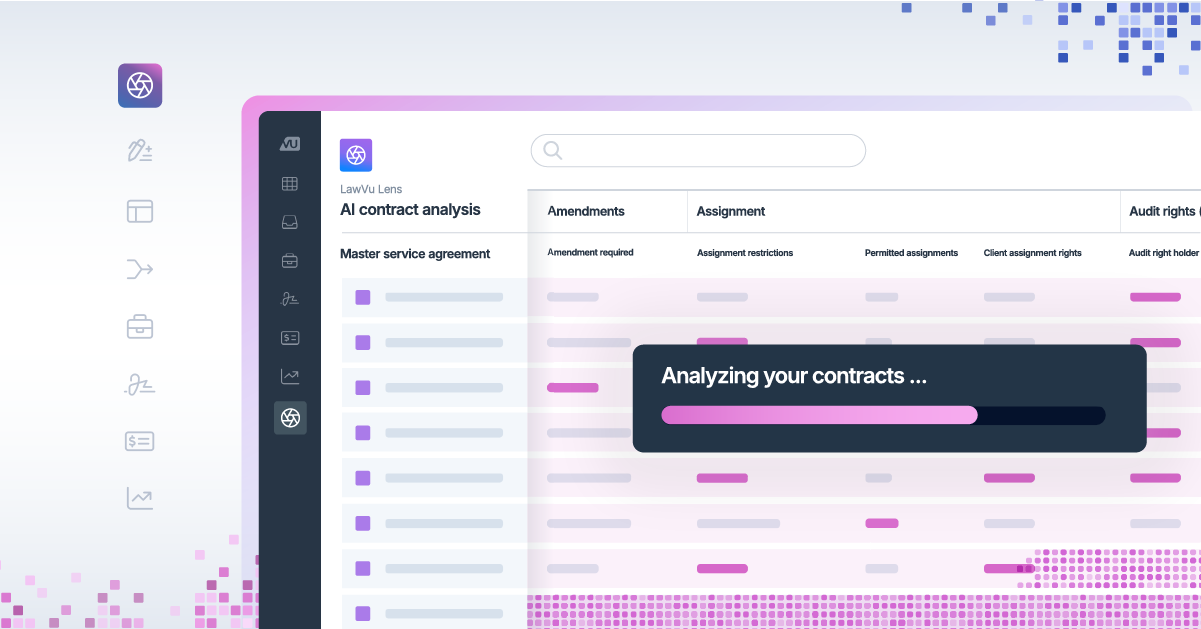
In a breach, clarity matters more than speed alone. LawVu Lens gives in-house legal teams instant access to the obligations and risks that guide calm, confident decision-making.
The call rarely comes at a convenient moment. An alert from IT. A message from the CISO. Sometimes a single line on Slack that lands with weight: We think we have an incident.
In those first moments of a suspected data breach or security incident, what the business needs most is certainty. And very quickly, it looks to legal to provide it.
That’s where LawVu Lens changes the dynamic. Instead of reacting with a scramble – pulling people into rooms, searching shared drives, and skimming contracts under pressure – legal teams using LawVu Lens can move immediately into control mode. The contractual information that shapes the breach response is already in place: notification obligations, timelines, liability provisions, indemnities, and areas of risk across the relevant agreements.
Because when something goes wrong, it’s not just about moving fast. It’s about moving in the right direction.
Why legal becomes the anchor in a breach response
During a data breach, multiple teams move at once. Security focuses on containment. IT works to understand the scope. Communications prepare messaging. Executives want clear answers they can stand behind.
Legal sits at the intersection of all of it.
The role of legal in a breach response isn’t to slow things down. It’s to ensure the organization meets its contractual and regulatory obligations while avoiding unnecessary exposure. That responsibility brings pressure.
Notification requirements can vary significantly by contract, customer, and jurisdiction. Some agreements require notice within hours. Others prescribe how notice must be delivered or what information must be included. Liability caps and indemnities may hinge on whether notice is timely and accurate.
These details matter. And they matter early. What I’ve seen consistently is that once legal has clarity on data breach contract obligations, the entire response settles. Decisions become easier. Coordination improves. The business moves forward with greater confidence.
Contracts decide the clock – not policies
Regulatory timelines tend to get the headlines. GDPR’s 72 hours is well known. But in practice, contracts often impose much tighter notification timelines.
Customer, supplier, and partner agreements frequently require notice “without delay” or within fixed periods such as 24 or 48 hours. Some trigger indemnity obligations or cost-sharing the moment a breach is confirmed. Others limit liability only if specific contractual steps are followed. In other words, during a breach, contracts – not internal policies – often determine exposure.
Historically, surfacing this information has required manual review under intense time pressure. Even well-resourced legal teams struggle when hundreds or thousands of agreements are involved. The result is often over-notification, unnecessary escalation, or reliance on outside counsel simply to determine what applies.
That’s the friction LawVu Lens is designed to remove.
From searching to knowing
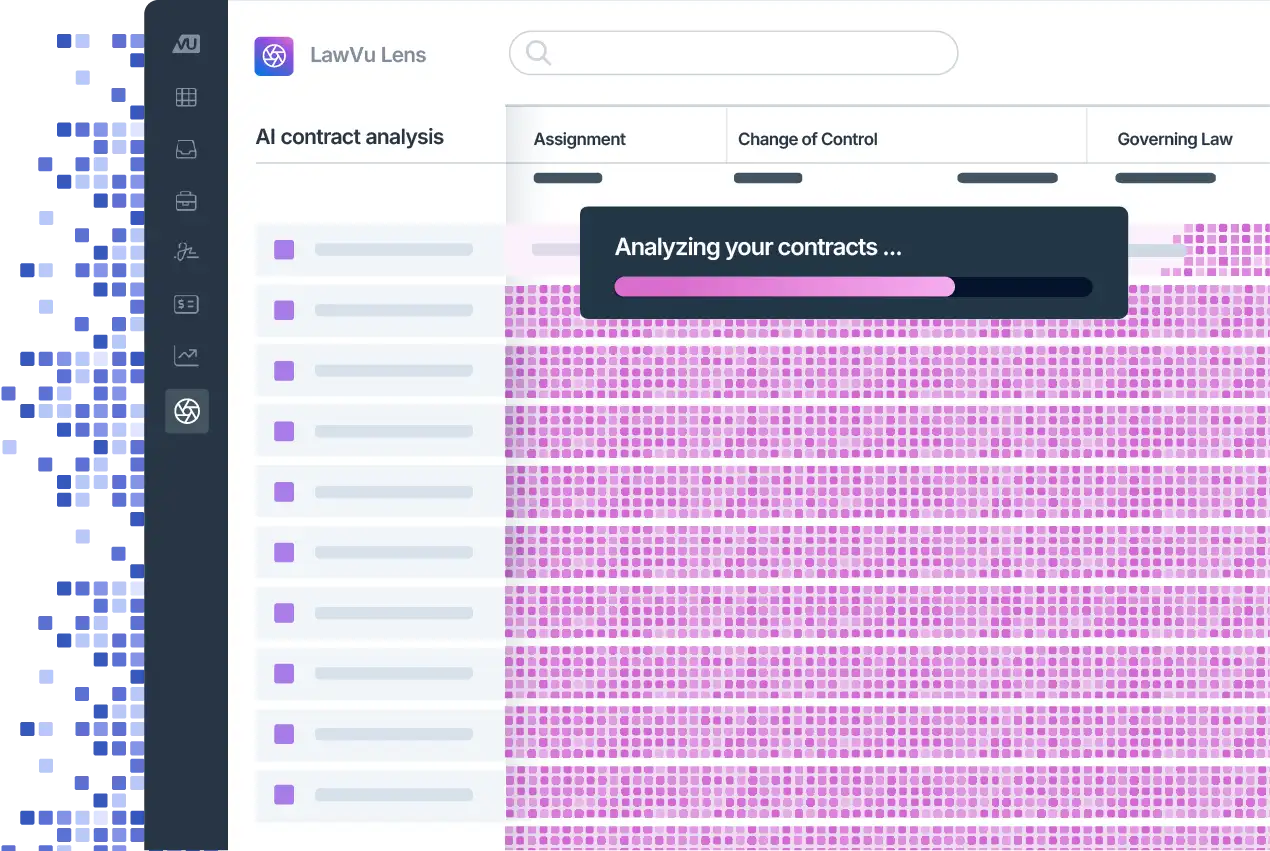
LawVu Lens uses AI-powered contract analysis to structure and surface key clauses across the contract repository, enabling legal teams to understand their position quickly and accurately.
In a data breach scenario, this allows legal to:
- Identify which contracts are potentially impacted
- Surface breach notification clauses and timelines
- Understand liability caps, indemnities, and exclusions early
- Filter and prioritize high-risk agreements without reviewing everything manually
Crucially, insights are traceable back to the original contract language. In high-stakes situations, legal teams need to trust the information they are acting on. Confidence comes from clarity and verification, not assumptions.
The result is a shift from “we think” to “we know”.
A familiar kind of pressure – and why that matters
For many legal teams, this kind of pressure isn’t new. It’s familiar from M&A and due diligence, where legal is asked to surface risk, obligations, and deal-critical terms across large contract populations, often under tight timelines. In those moments, precision and speed matter equally.
A data breach creates the same dynamic, just with a different trigger.
In both scenarios, legal is expected to answer complex questions quickly: which contracts matter most, where risk is concentrated, and what obligations are triggered. That’s why LawVu built LawVu Lens – the capability will prove invaluable during M&As, data breaches, and other high-stakes events.
In both cases, Lens provides a clear, structured view of contract risk at scale, enabling legal teams to prioritize issues and guide decision-making with confidence.
Calm is not accidental – it’s enabled
There’s a moment in every incident where tension peaks. Questions come faster than answers. Stakeholders want certainty that may not yet exist.
The legal teams that add the most value in these moments aren’t necessarily the ones working the longest hours. They’re the ones who stay focused on what they can control: understanding obligations, prioritizing risk, and advising the business with clarity.
Having immediate access to structured contract insights lowers the emotional temperature of a response. It reduces guesswork and unnecessary escalation. It allows legal teams to think clearly and act decisively.
LawVu Lens plays a quiet but important role here. Embedded directly in the legal workspace, it surfaces what matters without adding noise or complexity.
Better coordination, lower risk
When legal has clarity early, the benefits extend across the organization. Security teams understand which incidents cross contractual thresholds. Communications teams know what can – and cannot – be disclosed. Executives receive advice grounded in facts rather than assumptions. Boards are briefed with confidence.
Just as importantly, legal can distinguish between material risk and background noise. Not every contract is affected by every breach. Lens helps teams focus effort where it truly matters, reducing regulatory risk and avoiding unnecessary customer concern.
Maximizing the value of external counsel spend
Outside counsel often play an important role in breach response. But too often, their early involvement is dominated by administrative work: identifying contracts, extracting clauses, and assembling information under pressure.
LawVu Lens allows in-house legal teams to handle that groundwork themselves. Structured, clause-level datasets can be prepared quickly and shared when needed, enabling external advisers to focus on judgment, strategy, and risk assessment rather than document review.
The result is faster analysis, better collaboration, and stronger value from external spend – with legal teams arriving prepared and conversations starting at the right level.
From crisis response to readiness
While breaches are unpredictable, preparedness is not. Legal teams that understand their contract landscape before an incident are far better positioned when one occurs. By continuously analysing and structuring contract data, LawVu Lens helps teams stay ready – not just for data breaches, but for M&A, audits, regulatory change, and other high-pressure events.
Over time, breach response becomes less reactive and more controlled. Legal moves from firefighting to leadership.
The teams that perform best under pressure are the ones with clarity early, not perfection later.